
Polyethylene (PE)

Polyethylene (PE)

Polyethylene (PE) is an engineering plastic distinguished by its low friction coefficient, high chemical resistance, and good impact resistance. Thanks to its various density and molecular weight grades, it offers a wide range of applications. PE materials provide reliable performance in harsh operating conditions due to their non-moisture-absorbing structure and chemical stability. In addition, their lightweight nature and easy machinability offer advantages in manufacturing processes.

Material Structure and Technical Properties

Polyethylene is a thermoplastic that can be produced in different densities and molecular structures. This allows optimization of wear resistance, impact strength, and chemical resistance depending on the application.
  • Low friction coefficient: Provides smooth sliding and movement
  • High chemical resistance: Resistant to acids, bases, and many chemicals
  • Good impact resistance: Resistant to cracking and breakage
  • Non-absorbent: Does not absorb moisture, ensuring dimensional stability
  • Low density: Lightweight and easy to handle
  • Excellent machinability: Suitable for CNC machining and fabrication

Technical Performance and Application Behavior

Polyethylene materials perform exceptionally well in friction-intensive and chemically aggressive environments. Its low-friction properties help reduce wear and improve energy efficiency. Its non-stick surface also prevents material buildup, improving system efficiency, especially in bulk material handling and conveying systems.

Product Types

Polyethylene (PE) materials are available in different grades depending on performance requirements:
  • PE1000 (UHMW-PE): Extremely high wear resistance and very low friction
  • PE500 (HMW HDPE): Balanced performance with high impact resistance
  • PE300 (HDPE): Economical general-purpose grade
PE1000 (UHMW-PE)
PE500 (HMW HDPE)
PE300 (HDPE)

Product Forms

Polyethylene materials are available in the following semi-finished forms suitable for different applications:
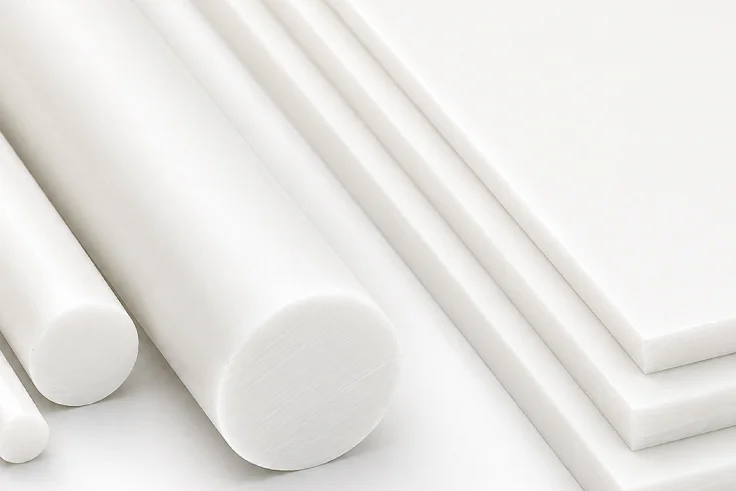
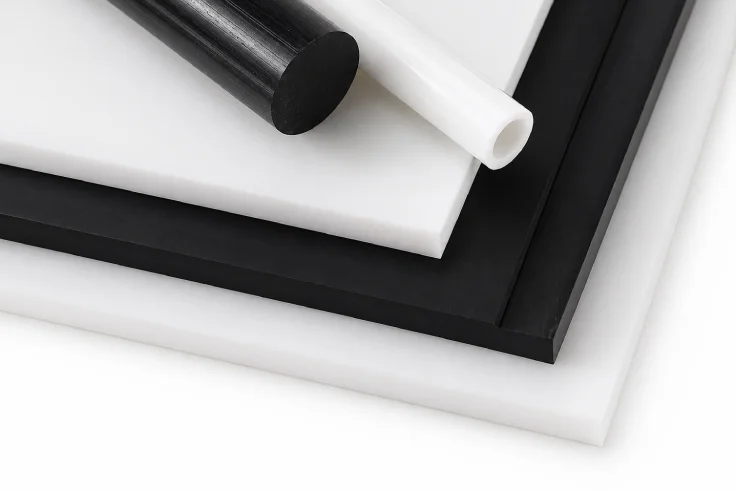
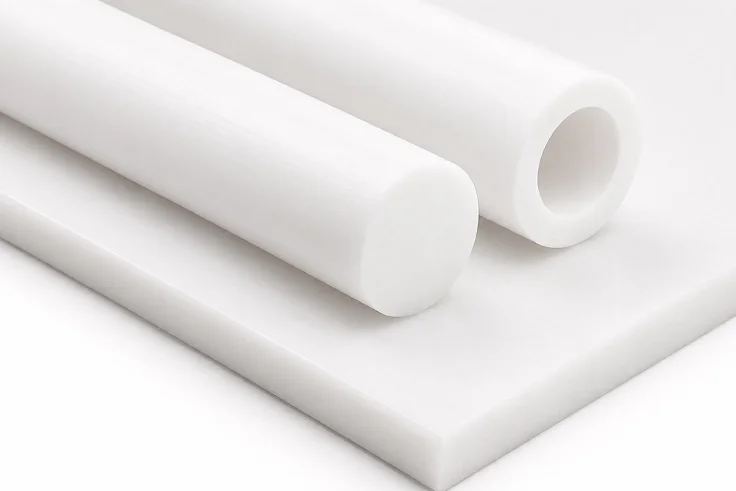
  • Rod: Suitable for machining and component manufacturing
  • Sheet: Ideal for large-surface applications and plate production

Standard

Manufactured in accordance with EN 15860 standards.

Applications

Polyethylene (PE) is widely used in industries requiring low friction and chemical resistance.
  • Conveyor systems: Used in sliding surfaces and line components
  • Silo and hopper systems: Facilitates material flow
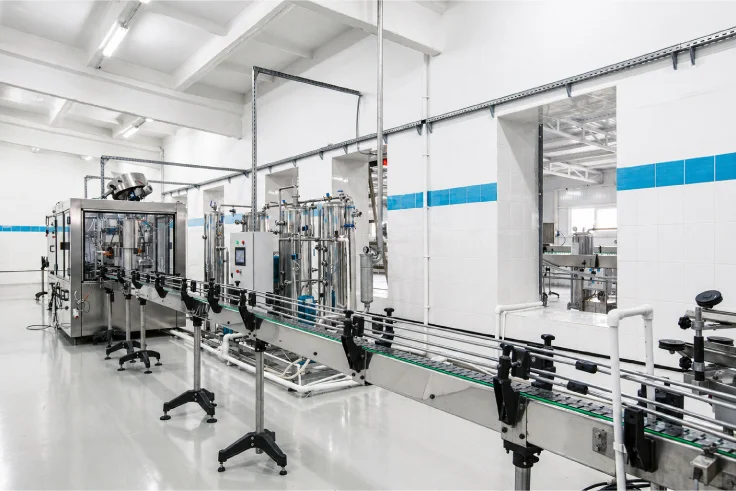
  • Food and packaging machinery: Provides hygienic and non-stick surfaces
  • Chemical industry: Chemical-resistant surfaces and components
  • Machinery manufacturing: Used in wear-prone parts and surfaces
  • Water and wastewater systems: Preferred in moisture-resistant applications

Advantages

  • High efficiency with low friction
  • Reliable use with high chemical resistance
  • Lightweight structure for easy installation and handling
  • Flexible solutions with a wide product range
Polyethylene (PE) is a thermoplastic engineering material distinguished by its low friction coefficient, high chemical resistance, and good impact resistance. Thanks to different molecular weight grades, it offers a wide performance range. Its non-moisture-absorbing structure and non-stick surface properties provide high efficiency, especially in systems where material flow is critical.
Polyethylene (PE) materials are generally manufactured in accordance with EN 15860 standards. This standard defines specific criteria for material quality, mechanical properties, and tolerances. As a result, PE products provide reliable and long-lasting performance in industrial applications.
Food Machinery

Food Machinery

Low-friction and durable systems used in hygienic production lines
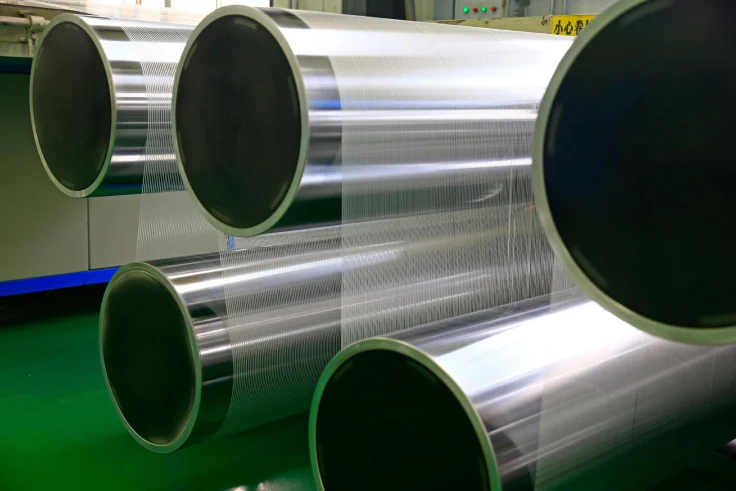
Packaging Machinery

Packaging Machinery

Wear-resistant and low-friction surfaces used in high-speed packaging lines
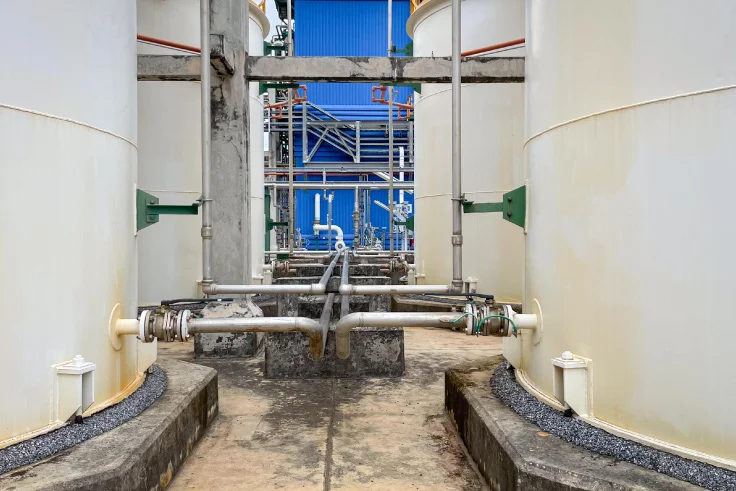
Chemical & Tank Applications

Chemical & Tank Applications

Chemical-resistant surfaces and storage systems
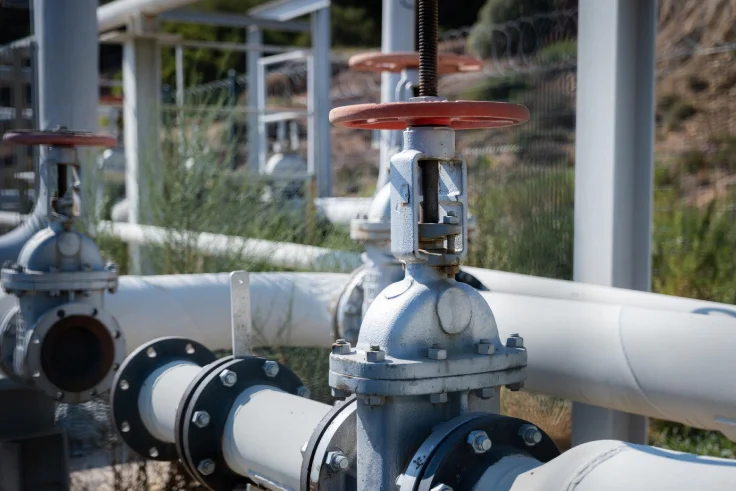
Water & Waste Systems

Water & Waste Systems

Moisture- and chemical-resistant water and waste management systems