

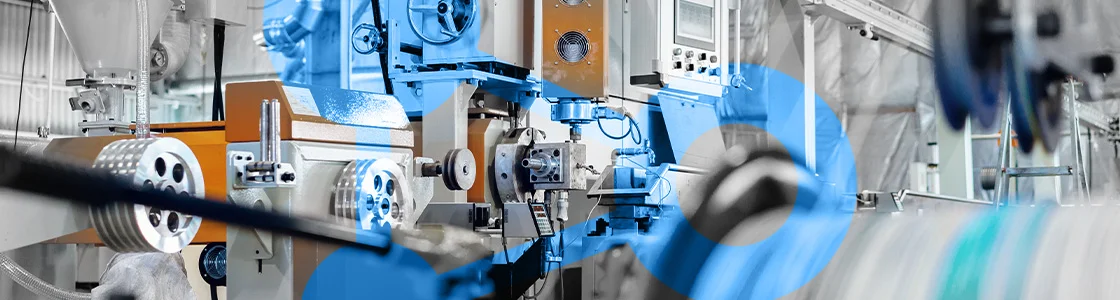
Machine Manufacturing Industry
Engineering plastics used in machine manufacturing provide significant advantages over metal alternatives thanks to their high mechanical strength, low friction coefficient, and excellent wear resistance. They are particularly preferred in applications where friction reduction and weight savings are essential, especially in moving systems. Materials commonly used in this sector include POM-C, PA6, Cast PA6, PE, and PTFE. Each material is selected according to specific load, speed, and operating temperature requirements.Applications
Engineering plastics are used in a wide range of machine manufacturing applications:- Gear systems: Plastic gears operating with low noise and low friction
- Bushings and bearing components: Systems operating with little or no lubrication
- Guide rails and sliding surfaces: Applications where friction reduction is critical
- Shafts and support components: Lightweight and durable parts operating under load
- Machine body and support parts: Components designed for vibration damping and weight reduction
Technical Advantages
The main technical advantages of engineering plastics in machine manufacturing include:- Low friction: Reduces energy loss and improves system efficiency
- Wear resistance: Provides long service life and reduced maintenance requirements
- Lightweight: Reduces overall system weight compared to metal components
- Corrosion resistance: Delivers stable performance in humid and chemically aggressive environments
- Vibration and noise damping: Ensures quieter and more stable operation
Material Selection
Selecting the right material is critical depending on the application:- POM-C: For precision mechanical components requiring low friction
- PA6: For load-bearing applications requiring impact resistance
- Cast PA6: For heavy-duty and thick-section components
- PE: For sliding and wear surface applications
- PTFE: For applications requiring chemical resistance and high-temperature performance
Conclusion
Engineering plastics contribute to the development of longer-lasting, lighter, and more efficient systems in the machine manufacturing industry. With the right material selection and proper design, maintenance costs can be reduced while improving production reliability and operational efficiency.
Automation Systems
Engineering plastics used in automation systems play a critical role in applications requiring low friction, dimensional stability, and repeatable precision. They are preferred in high-speed and continuously operating systems to minimize wear, noise, and energy losses associated with metal components. Commonly used materials in automation systems include POM-C, PA6, PE, and PTFE, providing stable and long-lasting performance between moving parts.Applications
Engineering plastics are used in the following critical automation applications:- Guide rails and slide systems: Provide low friction and precise guidance in linear motion applications
- Conveyor side guides: Ensure stable and smooth product transportation
- Gears and transmission components: Deliver quiet and vibration-free power transmission
- Bushings and bearing systems: Offer long-lasting solutions capable of operating with little or no lubrication
- Vacuum and gripping system components: Enable precise gripping and positioning
Technical Requirements
The key performance requirements for materials used in automation systems include:- Low friction coefficient: Ensures smooth movement at high operating speeds
- Dimensional stability: Maintains precise tolerances over time
- Wear resistance: Provides durability under continuous operation
- Low noise level: Contributes to quieter working environments
- Chemical resistance: Protects against cleaning agents and industrial chemicals
Material Selection
Selecting the right material directly affects system performance:- POM-C: Ideal for precision moving components requiring low friction
- PE: Suitable for sliding surfaces and conveyor applications
- PA6: Preferred for load-bearing components exposed to impact forces
- PTFE: Used in applications requiring extremely low friction and chemical resistance
Conclusion
The use of engineering plastics in automation systems enables the development of faster, quieter, and more efficient production lines. Proper material selection reduces maintenance requirements and maximizes system reliability and operational continuity.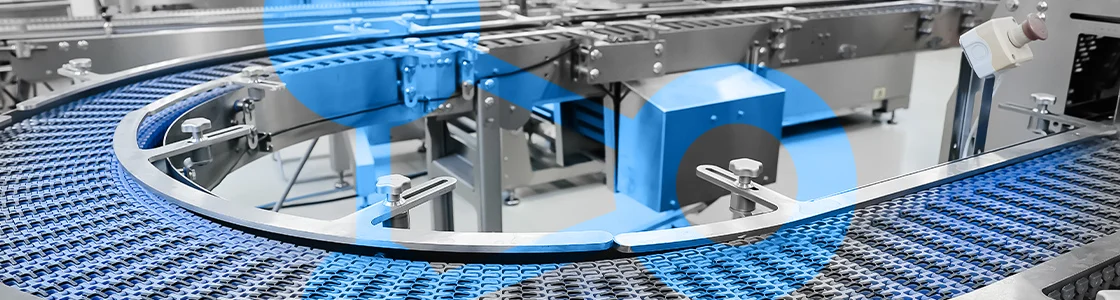
Conveyor Systems
Engineering plastics used in conveyor systems play a critical role in material handling processes thanks to their low friction coefficient, high wear resistance, and quiet operation. In continuously operating lines, they reduce friction-related energy losses and component wear, helping to improve system efficiency and extend service life. Materials such as PE1000 (UHMW-PE), POM-C, PA6, and PTFE are widely used in conveyor applications. Each material delivers optimized performance for different speed, load, and environmental conditions.Applications
Engineering plastics are commonly used in the following conveyor system components:- Guide rails and sliding surfaces: Ensure smooth material transfer with low friction
- Side guides: Keep products moving steadily along the conveyor line
- Chain and belt support components: Provide wear-resistant contact surfaces
- Bearings and bushings: Offer low-maintenance bearing solutions
- Impact and protection plates: Protect surfaces in high-impact areas
Technical Advantages
The main technical benefits of using engineering plastics in conveyor systems include:- Very low friction: Reduces energy consumption and increases line speed
- High wear resistance: Ensures long service life under continuous operation
- Quiet operation: Produces lower noise levels compared to metal components
- Non-stick surface: Prevents material buildup and blockages
- Corrosion resistance: Delivers reliable performance in humid and chemically aggressive environments
Material Selection
Proper material selection directly affects conveyor system performance:- PE1000: For conveyor lines requiring extremely low friction and high wear resistance
- POM-C: For precision mechanical components requiring stable operation
- PA6: For load-bearing parts exposed to impact forces
- PTFE: For specialized applications requiring non-stick properties and chemical resistance
Conclusion
The use of engineering plastics in conveyor systems provides lower energy consumption, reduced maintenance requirements, and longer system life. With the right material selection and design, maximum efficiency can be achieved in material handling operations.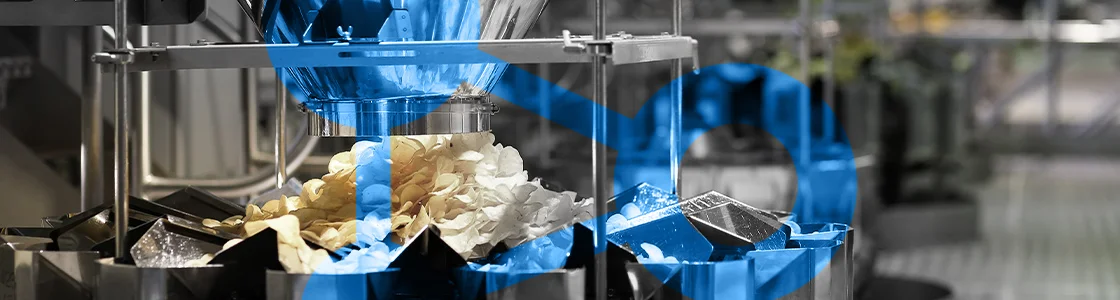
Food Processing Machinery
Engineering plastics used in food processing machinery are preferred in critical applications where hygiene, chemical resistance, and low friction requirements must be met simultaneously. Materials used in production lines must be suitable for food contact and provide surfaces that can be easily cleaned. Commonly used materials in this sector include POM-C, PE1000, PP, and PTFE, offering non-stick surfaces and long-lasting performance.Applications
Engineering plastics are widely used in the following food processing applications:- Conveyor guides and slide rails: Ensure smooth and stable product transportation throughout the production line
- Cutting and processing equipment: Provide low-friction and hygienic surfaces
- Gears and transmission components: Deliver quiet and reliable mechanical power transmission
- Filling and packaging system components: Ensure precise and repeatable movement
- Contact surfaces and protective components: Offer food-compatible and easy-to-clean structures
Technical Requirements
The main technical requirements for materials used in food processing machinery include:- Food contact compliance: Material properties meeting international standards
- Chemical resistance: Resistance to cleaning and sanitizing chemicals
- Low friction: Improves product flow and prevents surface damage
- Non-stick properties: Minimize product residue buildup
- Low moisture absorption: Ensures dimensional stability and hygiene
Material Selection
Commonly selected materials depending on the application include:- PE1000: For sliding surfaces and conveyor applications
- POM-C: For precision mechanical components and gear systems
- PP: For applications requiring chemical resistance and hygiene
- PTFE: For applications requiring non-stick properties and high-temperature resistance
Conclusion
The use of engineering plastics in food processing machinery enables the development of hygiene-compliant, low-maintenance, and high-efficiency production lines.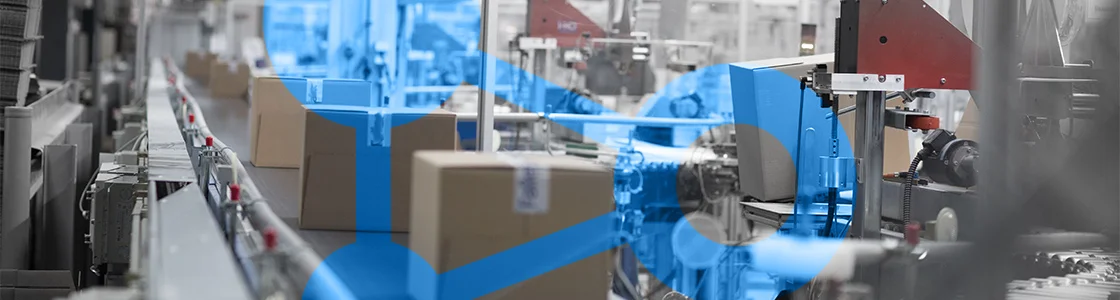
Packaging Machinery
Engineering plastics used in packaging machinery play a critical role in systems requiring high-speed operation, low friction, and repeatable precision. In fast and continuously operating production lines, they provide lower noise levels and reduced wear compared to metal components, helping to improve production continuity. Commonly used materials in this sector include POM-C, PE, PA6, and PTFE, each offering optimized performance for different speed, load, and operating conditions.Applications
Engineering plastics are used in the following packaging machine components:- Conveyor and guiding systems: Ensure smooth product movement at high operating speeds
- Star wheels and transfer components: Provide precise product guidance and positioning
- Gears and transmission components: Deliver quiet and vibration-free power transmission
- Cutting and sealing mechanisms: Ensure stable and repeatable process performance
- Guide and protective components: Allow products to move through the system without damage
Technical Requirements
The main requirements for materials used in packaging machinery include:- Low friction coefficient: Ensures smooth movement at high speeds
- Wear resistance: Provides long service life under continuous operation
- Dimensional stability: Maintains precise tolerances
- Low noise level: Creates a quieter working environment
- Chemical resistance: Suitable for cleaning agents and production environments
Material Selection
Common engineering plastics selected according to the application include:- POM-C: For precision moving components requiring low friction
- PE: For sliding surfaces and product contact points
- PA6: For load-bearing and impact-resistant components
- PTFE: For specialized applications requiring non-stick properties and chemical resistance
Conclusion
The use of engineering plastics in packaging machinery enables faster, quieter, and more stable production processes. Proper material selection reduces maintenance requirements and improves production efficiency.
Automotive Industry
Engineering plastics used in the automotive industry play a critical role in applications requiring high mechanical strength, wear resistance, and dimensional stability. In systems exposed to continuous motion, vibration, and varying temperatures, they offer lighter and quieter solutions compared to metal alternatives. High-performance engineering plastics such as POM-C, PA6, Cast PA6, PEEK, and PTFE are selected according to specific load, temperature, and chemical resistance requirements.Applications
Engineering plastics are widely used in the following automotive and automotive supplier applications:- Gears and transmission components: Provide quiet and low-friction power transmission
- Bushings and bearing systems: Offer low-maintenance or lubrication-free solutions
- Guide and slide components: Ensure stable guidance of moving parts
- Engine compartment components: Parts resistant to heat and vibration
- Insulation and separator components: Provide electrical and thermal insulation
Technical Requirements
The main requirements for materials used in automotive applications include:- High strength: Durability under dynamic and static loads
- Wear resistance: Long service life in continuously moving systems
- Temperature resistance: Stable performance in and around engine compartments
- Low friction: Improves energy efficiency and reduces noise
- Vibration damping: Enhances overall system stability
Material Selection
Engineering plastics commonly selected according to application requirements include:- POM-C: For precision mechanical components and gear systems
- PA6 / Cast PA6: For load-bearing and impact-resistant components
- PEEK: For high-temperature and high-performance applications
- PTFE: For applications requiring low friction and chemical resistance
Conclusion
The use of engineering plastics in the automotive industry enables the development of lighter, more efficient, and longer-lasting systems. Proper material selection improves performance while reducing maintenance costs.
Energy Industry
Engineering plastics used in the energy industry play a critical role in applications requiring high-temperature resistance, chemical resistance, and long-term mechanical stability. In power generation facilities, renewable energy systems, and heavy industrial infrastructure, they provide corrosion-resistant and low-maintenance solutions compared to metal alternatives. Engineering plastics such as PEEK, PTFE, POM-C, PA6, and PP deliver optimized performance against high temperatures, pressure, and aggressive chemicals.Applications
Engineering plastics are used in the following energy generation and distribution applications:- Turbine and generator components: Parts resistant to wear and elevated temperatures
- Insulation components: Elements providing electrical and thermal insulation
- Sealing and gasket systems: Reliable performance under high pressure and temperature conditions
- Piping and fluid handling systems: Surfaces resistant to chemicals and corrosion
- Solar and wind energy equipment: Components designed for outdoor operating conditions
Technical Requirements
The main requirements for materials used in the energy industry include:- High-temperature resistance: Stable performance under continuous and fluctuating temperatures
- Chemical resistance: Durability against oils, gases, and aggressive chemicals
- Electrical insulation: Contributes to safe operating conditions
- Wear resistance: Prevents performance loss during long-term use
- Dimensional stability: Maintains shape and performance in demanding environments
Material Selection
Engineering plastics commonly selected according to operating conditions include:- PEEK: For high-temperature and advanced engineering applications
- PTFE: For systems requiring chemical resistance and sealing performance
- POM-C: For precision mechanical components with low friction requirements
- PA6: For load-bearing and impact-resistant components
- PP: For piping and tank applications in chemically aggressive environments
Conclusion
The use of engineering plastics in the energy industry enables the development of more reliable, more durable, and longer-lasting systems. Proper material selection reduces maintenance costs and improves overall system efficiency.
Defense & Aerospace
Engineering plastics used in the defense and aerospace industries are preferred in critical applications requiring a combination of high-temperature resistance, superior mechanical strength, and low weight. Materials used in these systems must provide dimensional stability and long-term performance even under demanding environmental conditions. High-performance engineering plastics such as PEEK, PTFE, POM-C, and PA6 offer weight reduction advantages and corrosion resistance compared to metal alternatives, helping improve overall system efficiency.Applications
Engineering plastics are used in the following defense and aerospace applications:- Aircraft mechanical components: Lightweight and durable moving parts
- Bearing and bushing systems: Long service life with low-friction operation
- Insulation and separator components: Provide electrical and thermal insulation
- Sealing components: Reliable performance under high pressure and temperature conditions
- Precision mechanical parts: Stable operation in systems requiring tight tolerances
Technical Requirements
The main requirements for materials used in this industry include:- High-temperature resistance: Stable performance under extreme temperature conditions
- Low density: Reduces system weight and improves efficiency
- High strength: Provides durability under dynamic loads
- Chemical and environmental resistance: Withstands demanding operating environments
- Dimensional stability: Maintains precise tolerances
Material Selection
Engineering plastics commonly selected according to application requirements include:- PEEK: For critical components requiring high temperature resistance and superior performance
- PTFE: For applications requiring low friction and chemical resistance
- POM-C: For precision mechanical components with low friction requirements
- PA6: For load-bearing and impact-resistant components
Conclusion
The use of engineering plastics in the defense and aerospace industries enables the development of lighter, more durable, and more reliable systems. Proper material selection improves performance and extends service life.