
PTFE (Teflon)

PTFE (Teflon)

PTFE (Polytetrafluoroethylene) is a high-performance engineering plastic known for its very low friction coefficient, excellent chemical resistance, and wide operating temperature range. Thanks to its non-stick surface, it delivers stable performance even under demanding conditions. PTFE materials are resistant to nearly all chemicals and can be safely used in corrosive environments. In addition, its high temperature resistance allows it to maintain performance under extreme operating conditions.

Material Structure and Technical Properties

PTFE has a fluoropolymer structure that provides one of the lowest friction surfaces among engineering plastics. It is suitable for both dry-running applications and systems requiring no lubrication.
  • Very low friction coefficient: Provides extremely smooth sliding performance
  • Excellent chemical resistance: Resistant to acids, bases, and solvents
  • Wide temperature range: Operates between -200°C and +260°C
  • Non-stick surface: Prevents material adhesion and buildup
  • Electrical insulation: High dielectric properties
  • Non-water absorbing: Maintains dimensional stability under moisture exposure

Technical Performance and Application Behavior

PTFE performs exceptionally well in applications involving high temperatures and aggressive chemical exposure. Its low friction reduces wear and extends component life. Its non-stick surface also provides easy cleaning and maintenance, offering significant advantages in food and chemical industries.

Product Forms

PTFE materials are available in the following semi-finished forms:
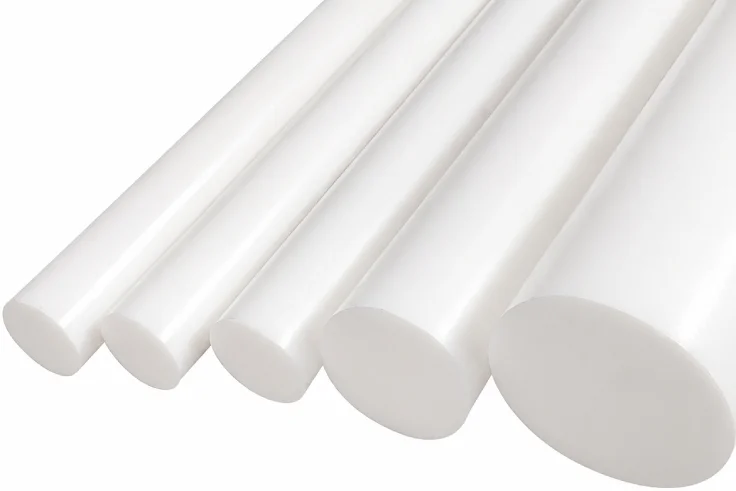
  • Rod: Suitable for machining and technical component production
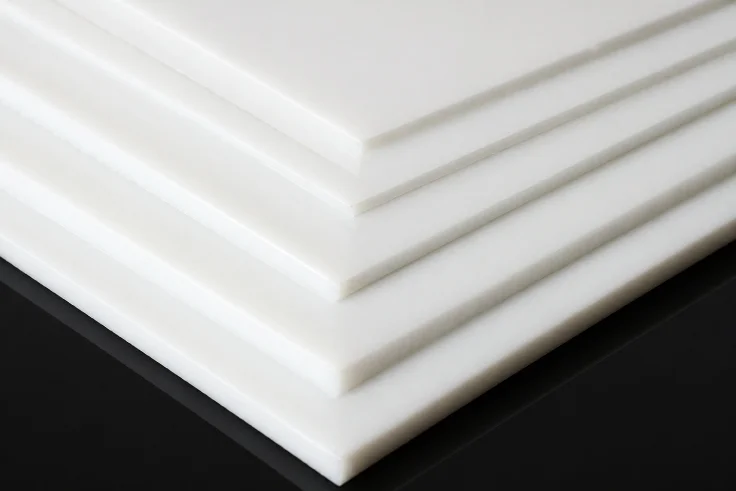
  • Sheet: Ideal for surface applications and plate manufacturing
ROD
SHEET

Standard

Manufactured in accordance with EN 15860 standard.

Applications

PTFE (Teflon) is used in a wide range of industries requiring high temperature and chemical resistance.
  • Chemical industry: Used in equipment operating in corrosive environments
  • Food and packaging machinery: Provides non-stick and hygienic surfaces
  • Sealing and gasket elements: Offers chemical and temperature resistance
  • Electrical and electronics: Used as an insulating material
  • Machinery manufacturing: Preferred for low-friction components
  • Laboratory equipment: Used in chemically demanding environments

Advantages

  • Very low friction for high efficiency
  • Excellent chemical resistance for long service life
  • High temperature resistance for wide operating range
  • Non-stick surface for easy cleaning and maintenance
PTFE (Polytetrafluoroethylene) is a high-performance fluoropolymer distinguished by its very low friction coefficient, excellent chemical resistance, and wide operating temperature range. Thanks to its non-stick surface, it delivers stable performance even under the most demanding conditions. It behaves as an inert material against nearly all chemicals, making it safe for use in corrosive environments. It also maintains dimensional stability at high temperatures.
PTFE materials are generally manufactured in accordance with EN 15860 standards. This standard defines specific criteria for material quality, physical properties, and tolerances. As a result, PTFE products provide reliable, stable, and long-lasting performance in industrial applications.
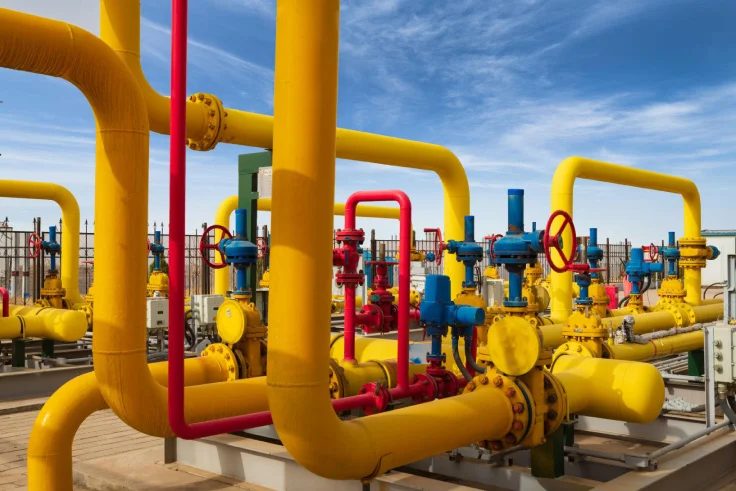
Chemical and Process Industry

Chemical and Process Industry

Chemical-resistant process systems operating in corrosive environments
Sealing and Gasket Applications

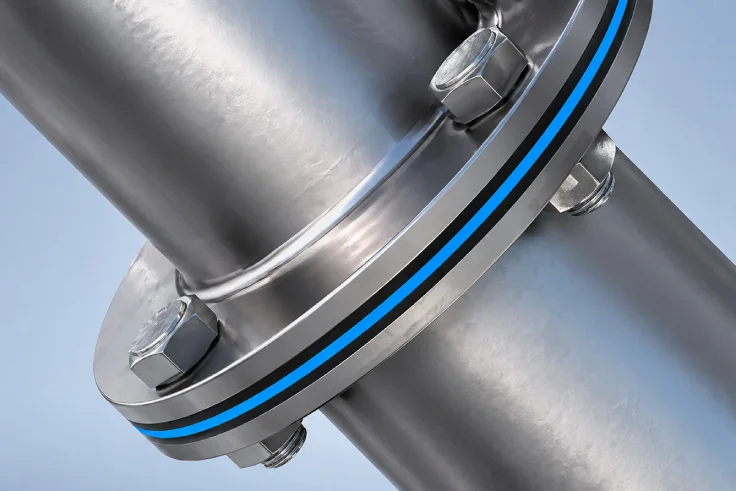
Sealing and Gasket Applications

High temperature and chemically resistant sealing systems
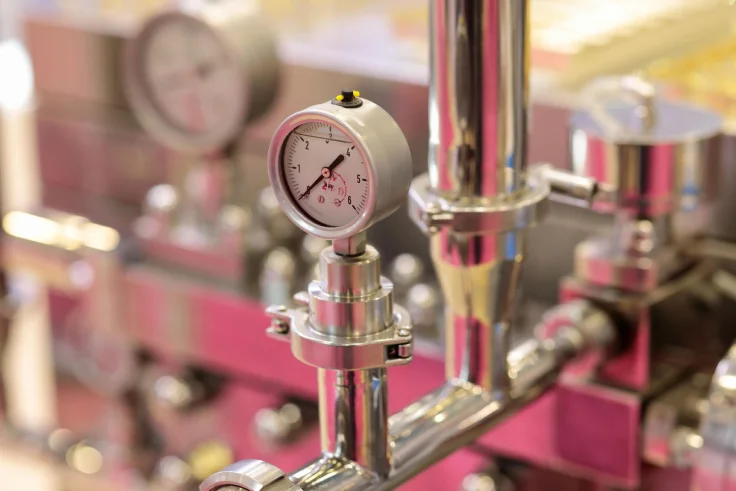
Food and Pharmaceutical Industry

Food and Pharmaceutical Industry

Production lines requiring hygienic and non-stick surfaces
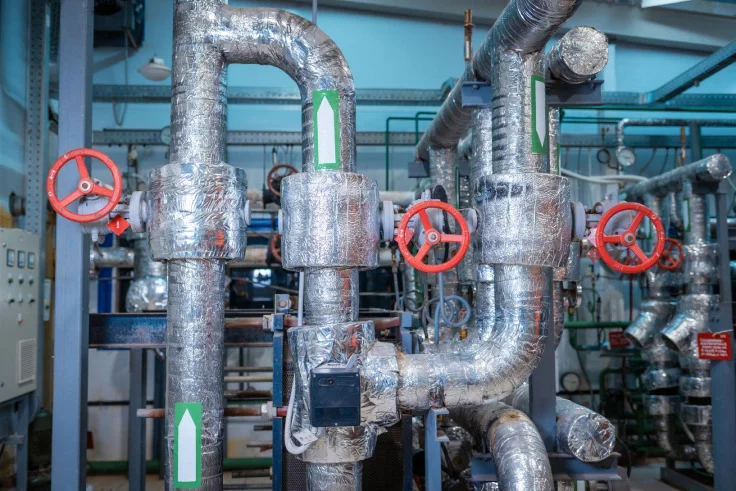
Electric and High Temperature Applications

Electric and High Temperature Applications

Systems requiring high temperature resistance and electrical insulation