
PP (Polypropylene)

PP (Polypropylene)

PP (Polypropylene) is an engineering plastic distinguished by its high chemical resistance, low density, and good thermal resistance. It is particularly preferred in applications involving chemical environments and requiring corrosion resistance. PP materials provide stable performance even in aggressive environments thanks to their non-moisture-absorbing structure and high chemical resistance. In addition, their lightweight structure and easy machinability offer advantages in production and assembly processes.

Material Structure and Technical Properties

Polypropylene is a semi-crystalline thermoplastic that provides a balanced combination of chemical resistance and mechanical properties. It shows particularly high resistance to acids and bases.
  • High chemical resistance: Resistant to acids, bases, and many chemicals
  • Low density: Lightweight and easy to handle
  • Good thermal resistance: Provides stable performance at elevated temperatures
  • Non-water absorbing: Maintains dimensional stability under moisture exposure
  • Excellent machinability: Suitable for CNC machining and fabrication
  • Corrosion resistance: Does not rust like metal alternatives

Technical Performance and Application Behavior

PP performs exceptionally well in applications with intensive chemical exposure. Its chemical resistance prevents material degradation and ensures long service life. Its low density enables lightweight and portable solutions. It also maintains stable performance at moderate temperatures due to its thermal resistance.

Product Forms

PP materials are available in the following semi-finished forms suitable for different applications:
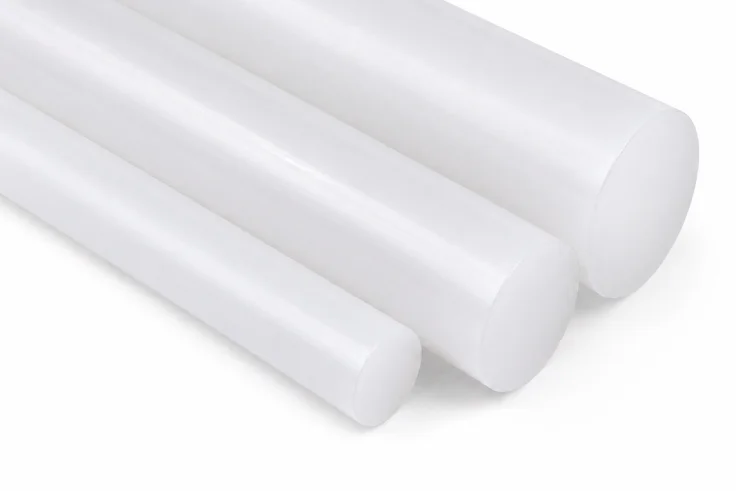
  • Rod: Suitable for machining and part production
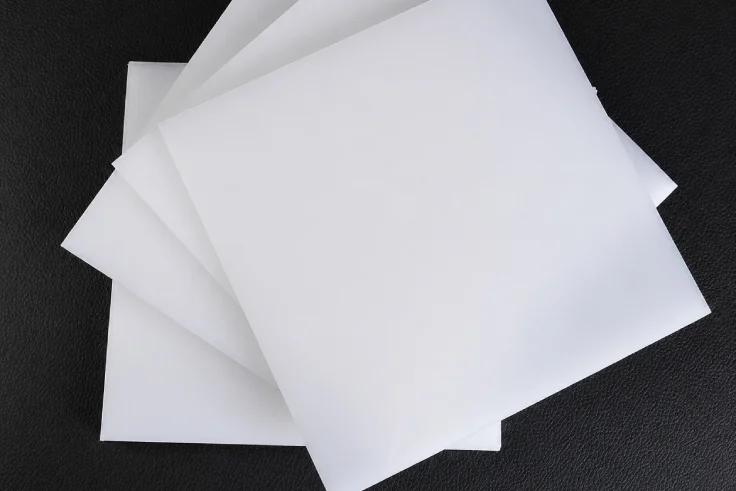
  • Sheet: Ideal for tank, lining, and plate applications
ROD
SHEET

Standard

Manufactured in accordance with EN 15860 standard.

Applications

PP (Polypropylene) is used in a wide range of industries requiring chemical resistance and lightweight properties.
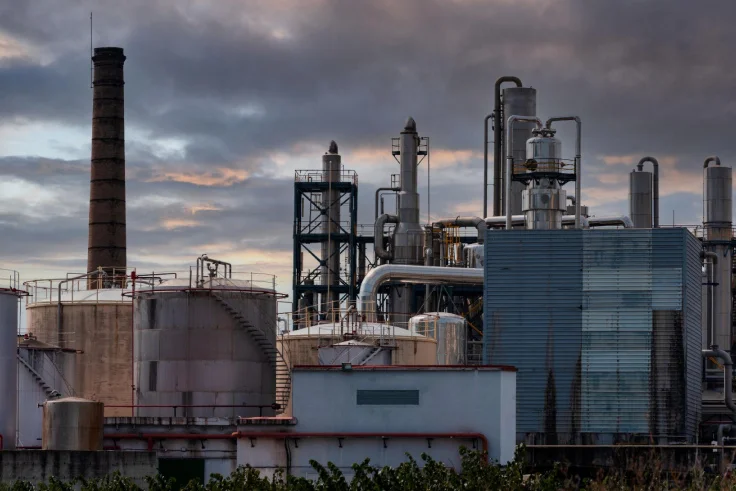
  • Chemical industry: Used in tanks, storage systems, and chemical handling equipment
  • Food and packaging machinery: Provides hygienic and safe applications
  • Water treatment systems: Suitable for chemical-resistant components
  • Laboratory equipment: Used in chemically demanding environments
  • Machinery manufacturing: Preferred for lightweight and chemical-resistant parts
  • Ventilation and lining systems: Provides corrosion-resistant surfaces

Advantages

  • Long service life with high chemical resistance
  • Lightweight structure for easy installation and handling
  • Corrosion resistance with no maintenance requirement
  • Cost-effective solution with wide application range
Polypropylene (PP) is a semi-crystalline engineering plastic distinguished by its high chemical resistance, low density, and good thermal resistance. It provides reliable performance especially in corrosive environments and applications involving intensive chemical exposure. Thanks to its non-moisture-absorbing structure, it ensures dimensional stability over long-term use. Compared to metal alternatives, it is lightweight and offers manufacturing advantages due to its good machinability.
PP (Polypropylene) materials are generally manufactured in accordance with EN 15860 standards. This standard defines specific criteria for material quality, mechanical properties, and tolerances. As a result, PP products provide reliable and repeatable performance in industrial applications.
Chemical and Process Industry

Chemical and Process Industry

Chemical-resistant pipes, tanks, and process equipment
Water and Treatment Systems

Water and Treatment Systems

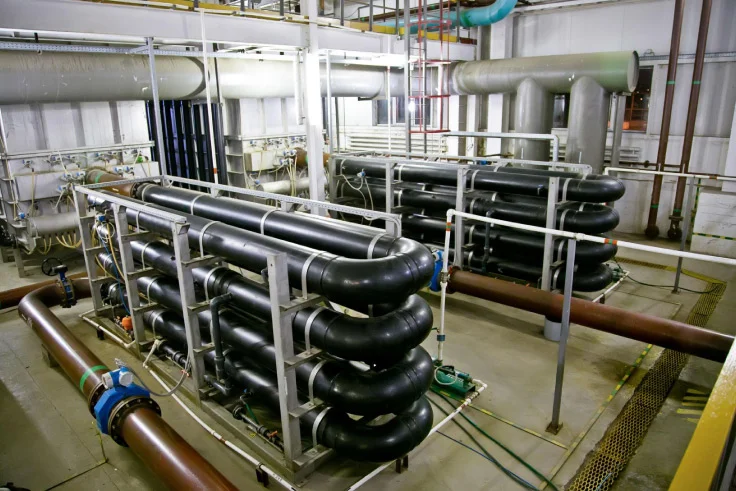
Corrosion-resistant water treatment and flow systems
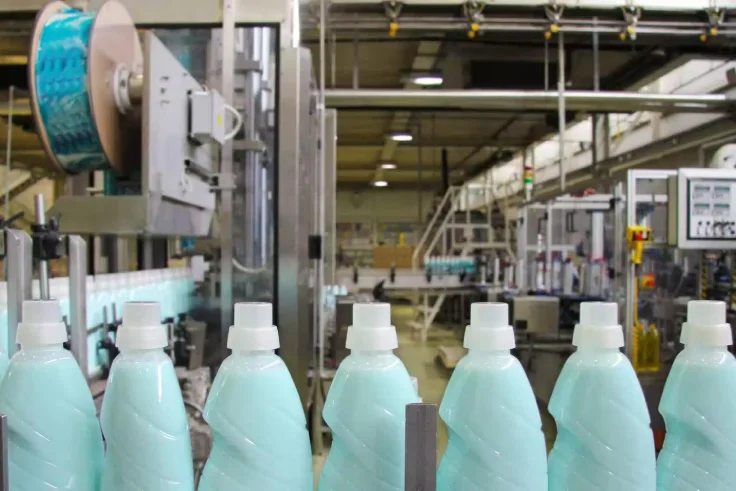
Food and Packaging Industry

Food and Packaging Industry

Safe and durable systems used in hygienic production lines
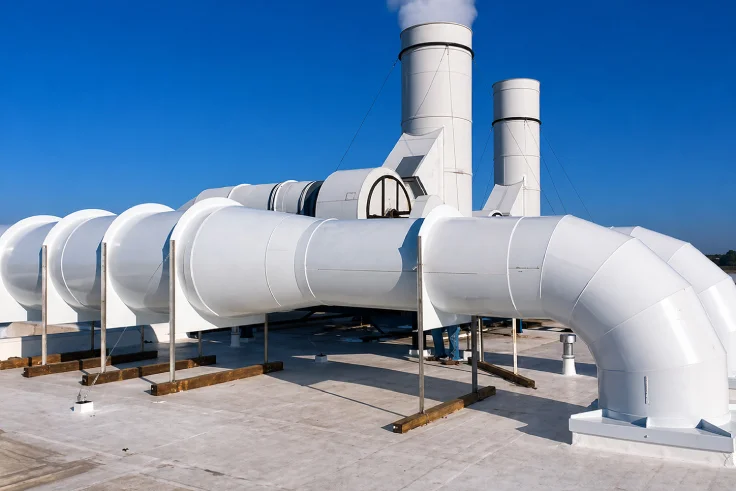
Ventilation and Industrial Facilities

Ventilation and Industrial Facilities

Chemical-resistant ventilation and gas handling systems